Trezor.io/start | Getting Started | TreZor® (official)
Trezor.io/start – Your Simple Guide to Getting Started
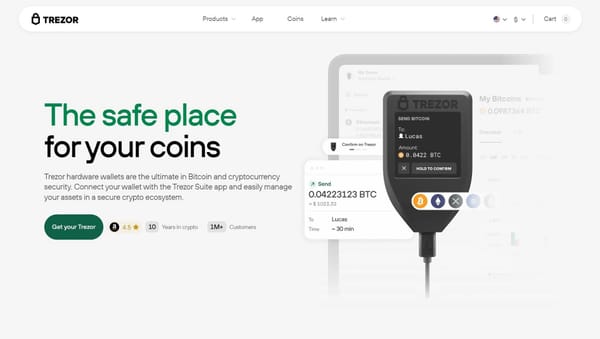
Welcome to Trezor.io/start, the official starting point for setting up your Trezor hardware wallet. Whether you’re new to digital assets or simply looking for a secure way to manage them, this guide walks you through the basics in a clear and beginner-friendly way. Trezor devices are built to keep your cryptocurrency safe by storing your private keys offline, away from online threats such as malware, phishing, or unauthorized access. This page helps you get your device ready while understanding the essential security steps along the way.
1. What You Need Before You Begin
To start using your Trezor, you’ll need three simple things:
- A Trezor hardware wallet (such as Trezor Model One or Trezor Model T)
- A computer or mobile device with internet access
- A USB cable compatible with your Trezor
Make sure your device is in its original, unopened package. If anything looks unusual—like damaged seals—it’s best to contact Trezor Support before continuing.
2. Visit Trezor.io/start
Go to Trezor.io/start using your browser. This page automatically detects your device model and guides you to download Trezor Suite, the official app for managing your wallet. Avoid downloading wallets or tools from unofficial websites, as they may expose your assets to risks.
3. Install Trezor Suite
Trezor Suite is available for Windows, macOS, and Linux, and also has a browser-based option. Once installed, open the application and connect your Trezor device using the USB cable.
If your device needs a firmware update, Trezor Suite will clearly display instructions. Always update only through the official Trezor interface.
4. Create a New Wallet
After your device connects, you will be prompted to create a wallet. This is where your assets will be stored. During setup, Trezor will generate a recovery seed—a series of 12, 18, or 24 words.
This seed is extremely important because it is the only way to recover your wallet if your device is lost or damaged.
Write the recovery seed on paper and store it somewhere safe and offline. Never take a photo, store it digitally, or share it with anyone. Trezor will never ask for your seed outside of the device screen.
5. Set a Strong PIN
Your PIN protects your device from unauthorized physical access. Choose a PIN that is memorable to you but difficult for others to guess. Trezor Suite will guide you through creating it.
6. Start Managing Your Assets
After setup, you can:
- Check balances
- Receive crypto
- Send transactions
- Explore security features
Always double-check addresses and follow safe online practices.
7. Stay Secure and Informed
Trezor focuses heavily on security, but staying safe also requires good personal habits:
- Keep your recovery seed offline
- Only download from official Trezor resources
- Beware of imitation websites or support scams