Trézór Bridge®™ | Secure Crypto Connectivity
Trezor Bridge: What It Is and Why It Matters
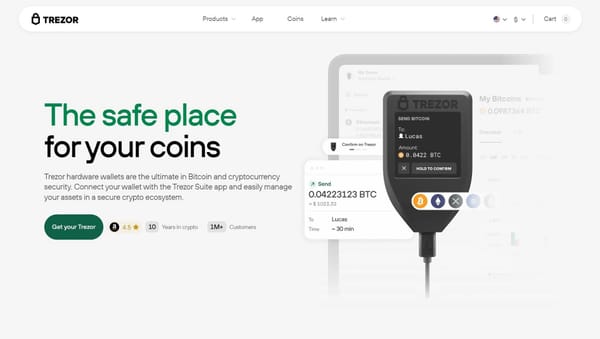
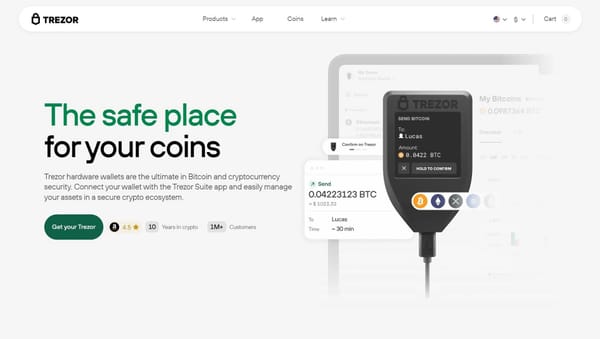
Trezor Bridge is a lightweight communication tool developed by Trezor to connect your Trezor hardware wallet with the web browser on your computer. Because many modern browsers restrict direct access to USB devices for security reasons, Trezor Bridge acts as a secure middle layer that allows your browser to recognize and communicate with your Trezor device whenever you manage your crypto accounts through Trezor Suite. Without it, your computer might not detect the wallet properly, which could make it impossible to check balances, update firmware, or confirm transactions.
At its core, Trezor Bridge ensures smooth, safe data transfer between your hardware wallet and the applications you use to manage it. The tool is designed with privacy in mind. It does not collect sensitive information or store any personal data—its only function is to enable encrypted communication between your device and Trezor Suite. Because Trezor wallets operate offline and store your private keys internally, the Bridge never accesses or exposes your keys. Instead, it helps send the necessary verification messages back and forth so your wallet can display prompts for approval.
One of the main advantages of Trezor Bridge is its simplicity. The installation process is straightforward, and once installed, it usually runs quietly in the background without needing manual adjustments. It automatically updates when new versions of Trezor Suite or security improvements are released, making maintenance easy for users. Whenever your hardware wallet is plugged into your computer, the Bridge ensures that everything connects smoothly and that you can interact with your accounts without hassle.
Trezor Bridge also enhances compatibility across different operating systems. Whether you are using Windows, macOS, or Linux, the Bridge provides a consistent experience. This cross-platform support helps users avoid browser-specific issues that might arise from relying solely on native device-access technologies. Although some browsers may support direct USB communication, Trezor recommends using the Bridge for the most stable performance.
Security is another key element of Trezor Bridge. Because it is developed by the same team that created the hardware wallet, it follows the same security-first philosophy. The communication channel between the Bridge and the Trezor device uses strong encryption, ensuring that no one can intercept or manipulate the data being exchanged. Updates are signed and verified, reducing the risk of tampering or installing unofficial versions.
For anyone using a Trezor hardware wallet, Trezor Bridge is an essential component that keeps everything running smoothly. It bridges the gap—literally—between the physical device and the digital tools used to manage your crypto holdings. While it does not handle private keys or financial operations directly, it plays a crucial role in ensuring a secure and reliable experience.
Overall, Trezor Bridge is a small but important part of the Trezor ecosystem: secure, reliable, easy to use, and designed to make hardware-wallet communication work seamlessly across all major platforms.